Logsy: Tracking Growth Through Play
Parents want to track their child's development. Children want to play. How do you design one product that genuinely serves both, without turning learning into a chore or play into a test?
Core Problem
Existing child development tools either engaged children but gave parents no data, or gave parents rich data but felt like homework to children. Nothing did both well
Role & Scope
Concept & Systems Designer - product architecture, physical-digital interaction design, and UX across both the child-facing and parent-facing experiences
The Challenge
Designing for two users with genuinely conflicting needs, where optimising for one - more structured tracking for parents, directly degraded the experience for the other

Other projects
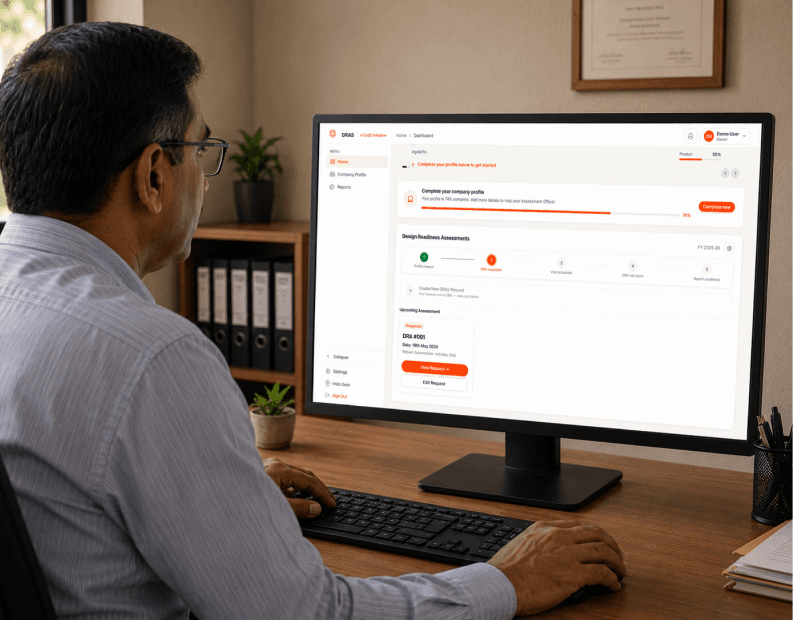
DRAS Assessment Portal for MSMEs
How do you digitize a government evaluation process when your users have never filled a form online and the entire system runs on WhatsApp forwards and printed sheets?
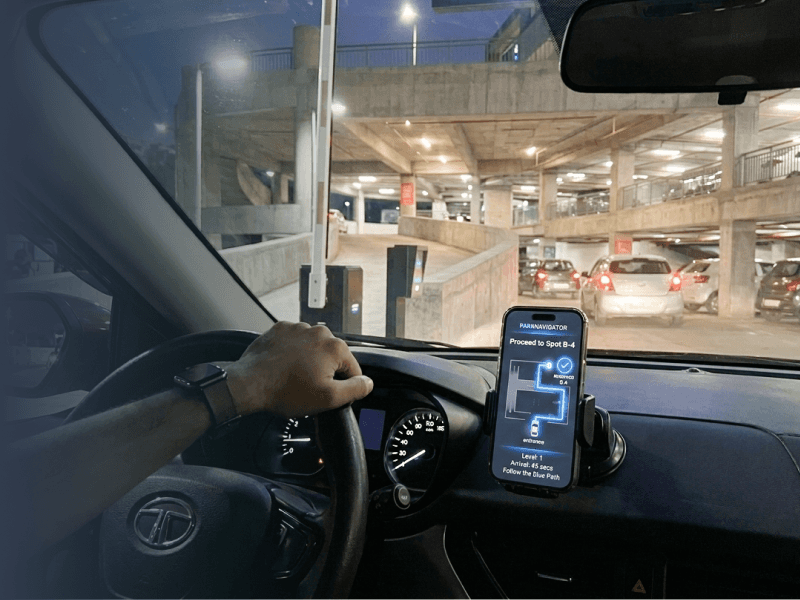
A Predictive AI & Automation Ecosystem Design
Hyderabad drivers waste 20+ minutes per trip searching for parking. When you build an AI that predicts availability, the real design problem isn't the algorithm, it's whether users will trust a prediction they can't verify.
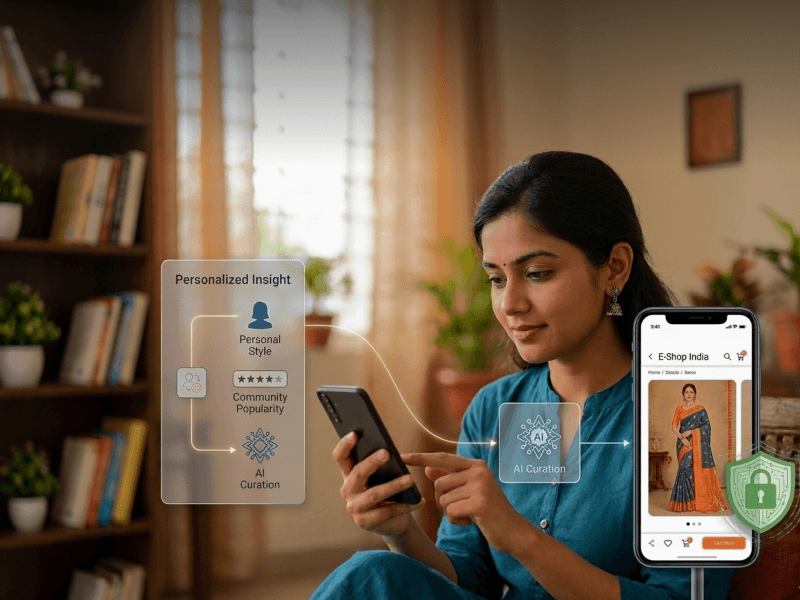
Trust and Explainable AI (XAI) in E-Commerce
Indian fashion shoppers abandon carts at high rates even when they like the product. The question wasn't "how do we show recommendations", it was "why don't users trust what the algorithm is showing them, and what would actually change that?"
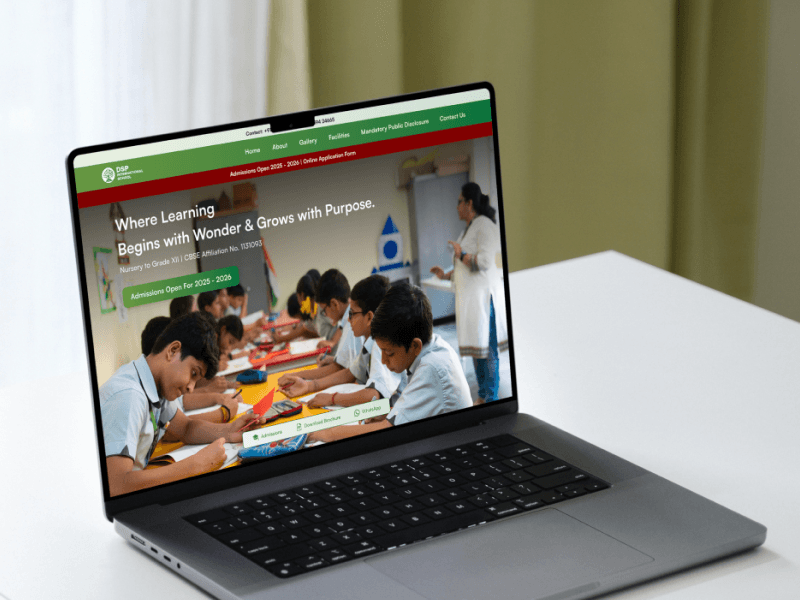
Reimagining a School’s Digital Identity
A school's website is its first handshake with an anxious parent. When navigation is built for internal logic instead of parent intent, the result is a beautiful site that nobody converts on.